The Problem: The "Flood Cut" Dilemma
When a house floods, the moisture trapped behind the drywall is the real enemy. Standard restoration usually involves a "flood cut"—ripping out perfectly good sections of wall just to get airflow to the studs. It’s effective, but it’s loud, dusty, and expensive for the insurance company and the homeowner.
The Innovation: The Wall-Cavity Manifold
A local restoration company approached me with a challenge: How do we get high-pressure air into a wall through a hole no bigger than a finger?
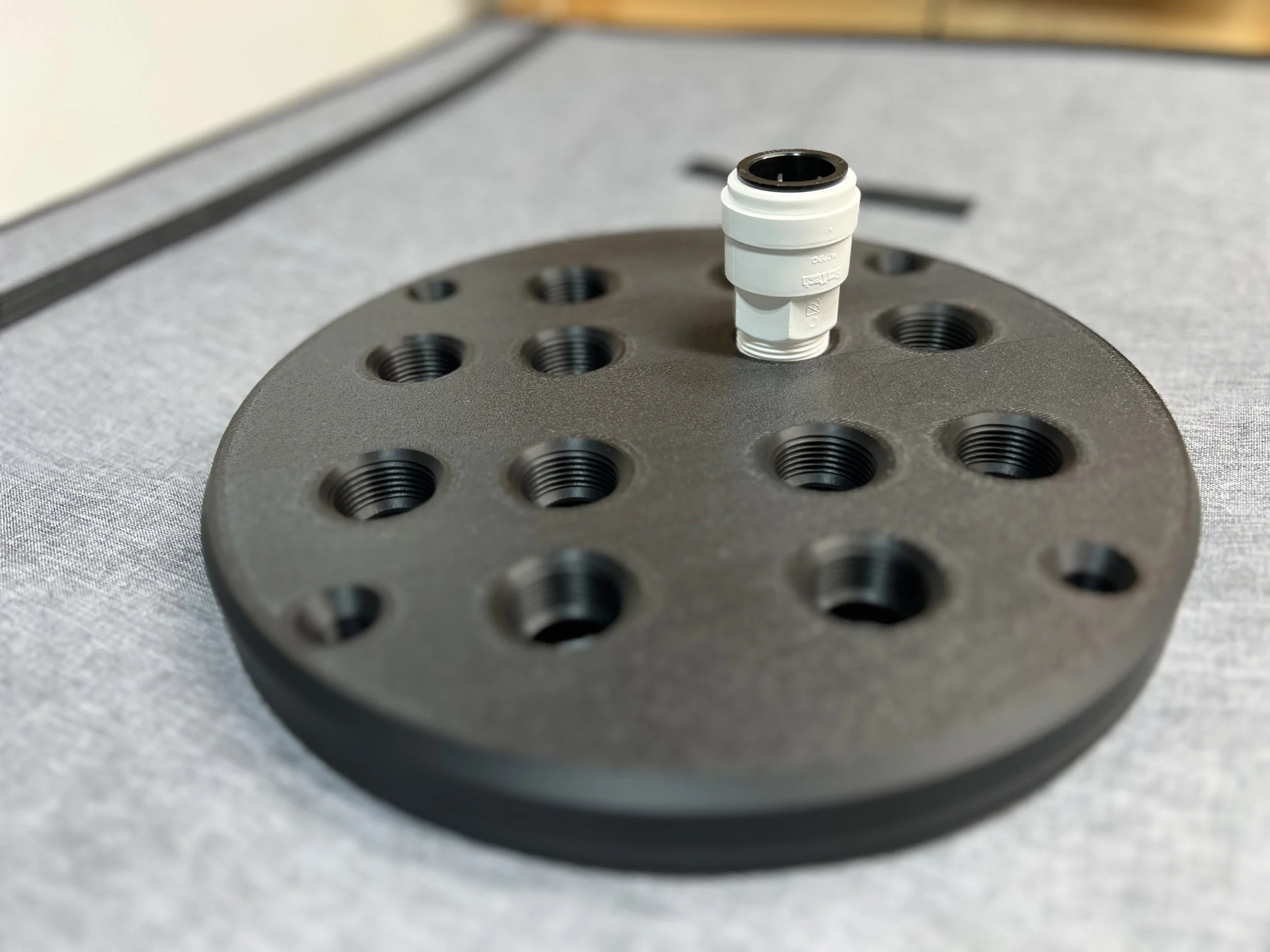
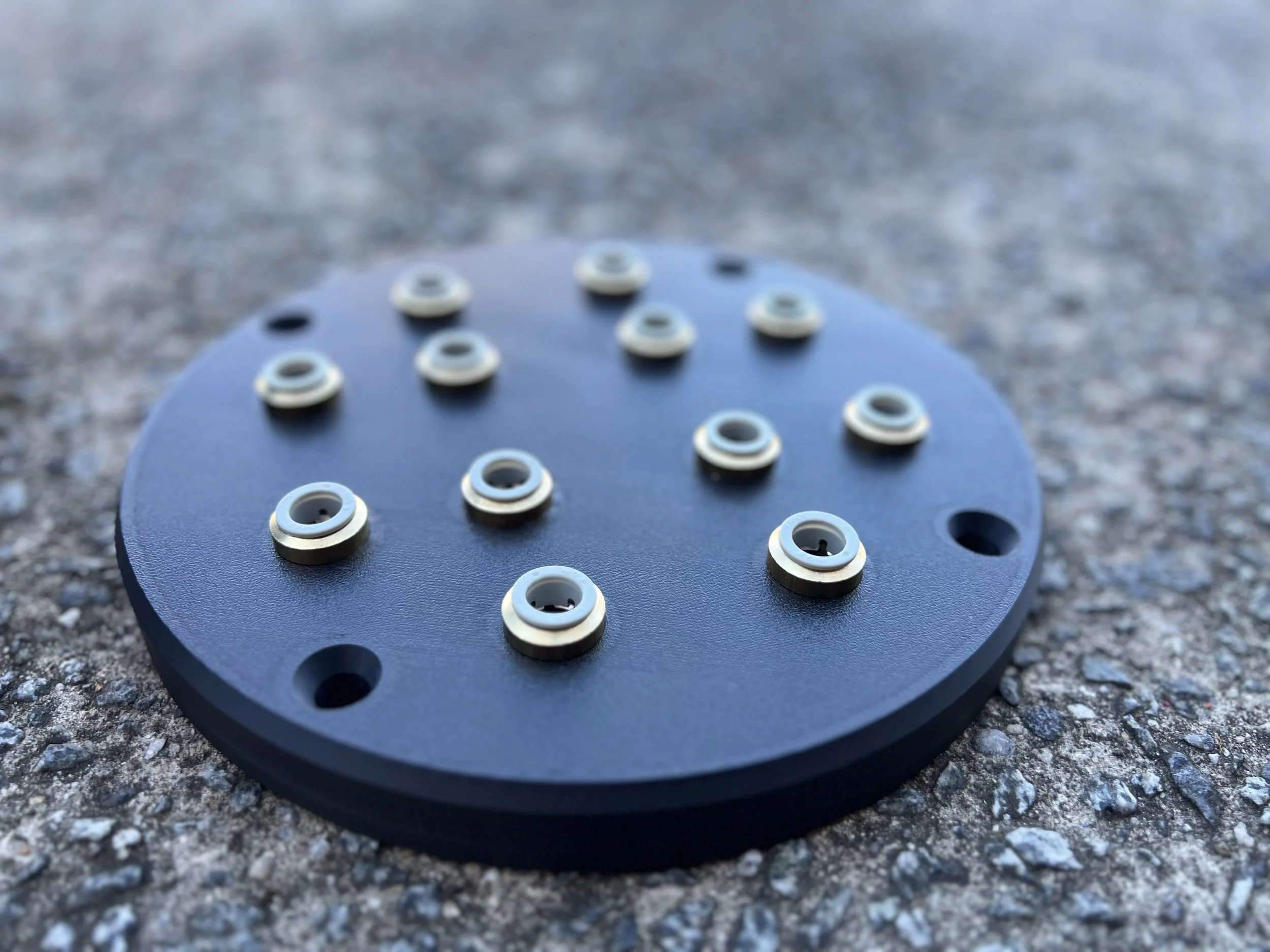
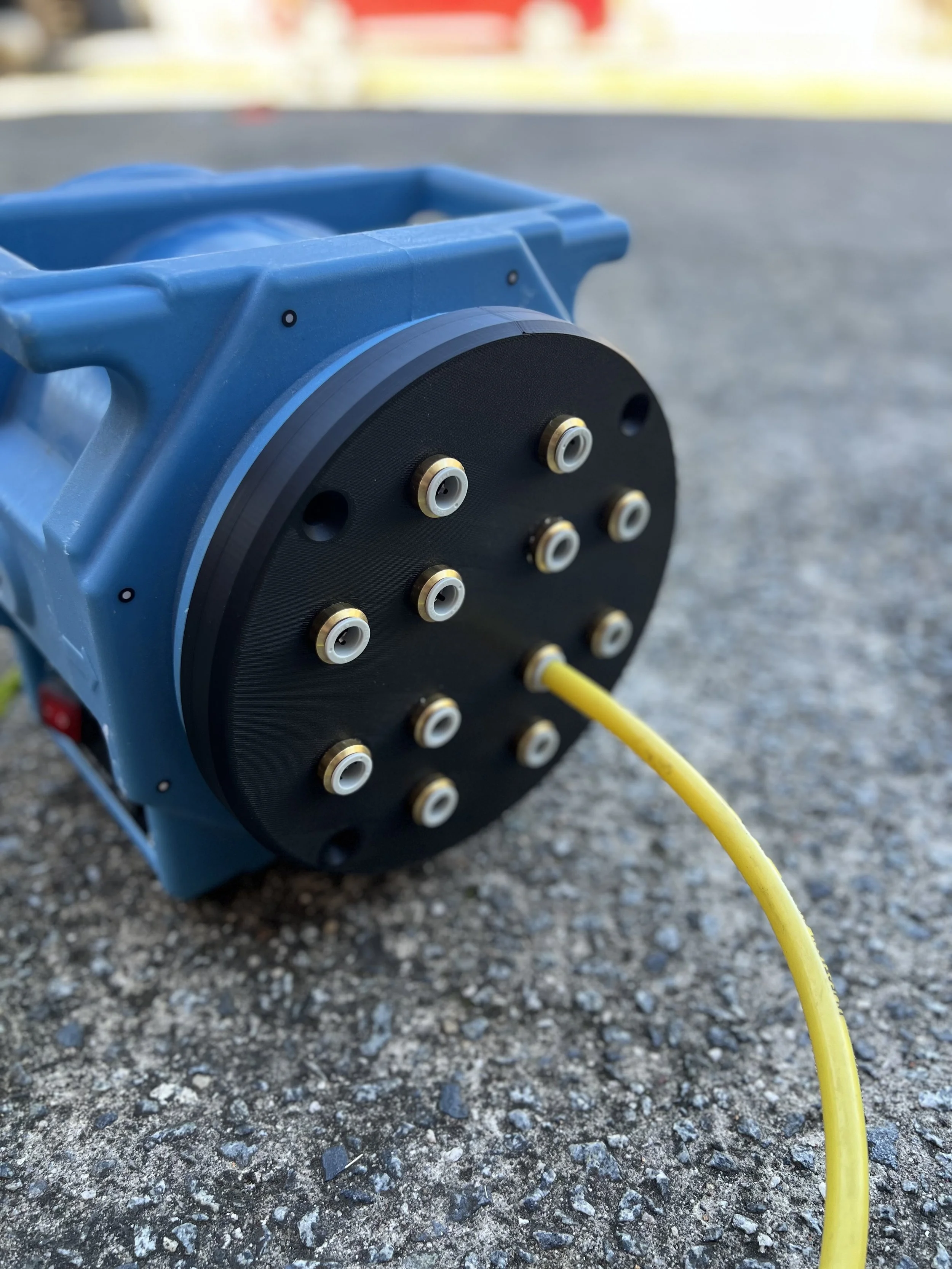
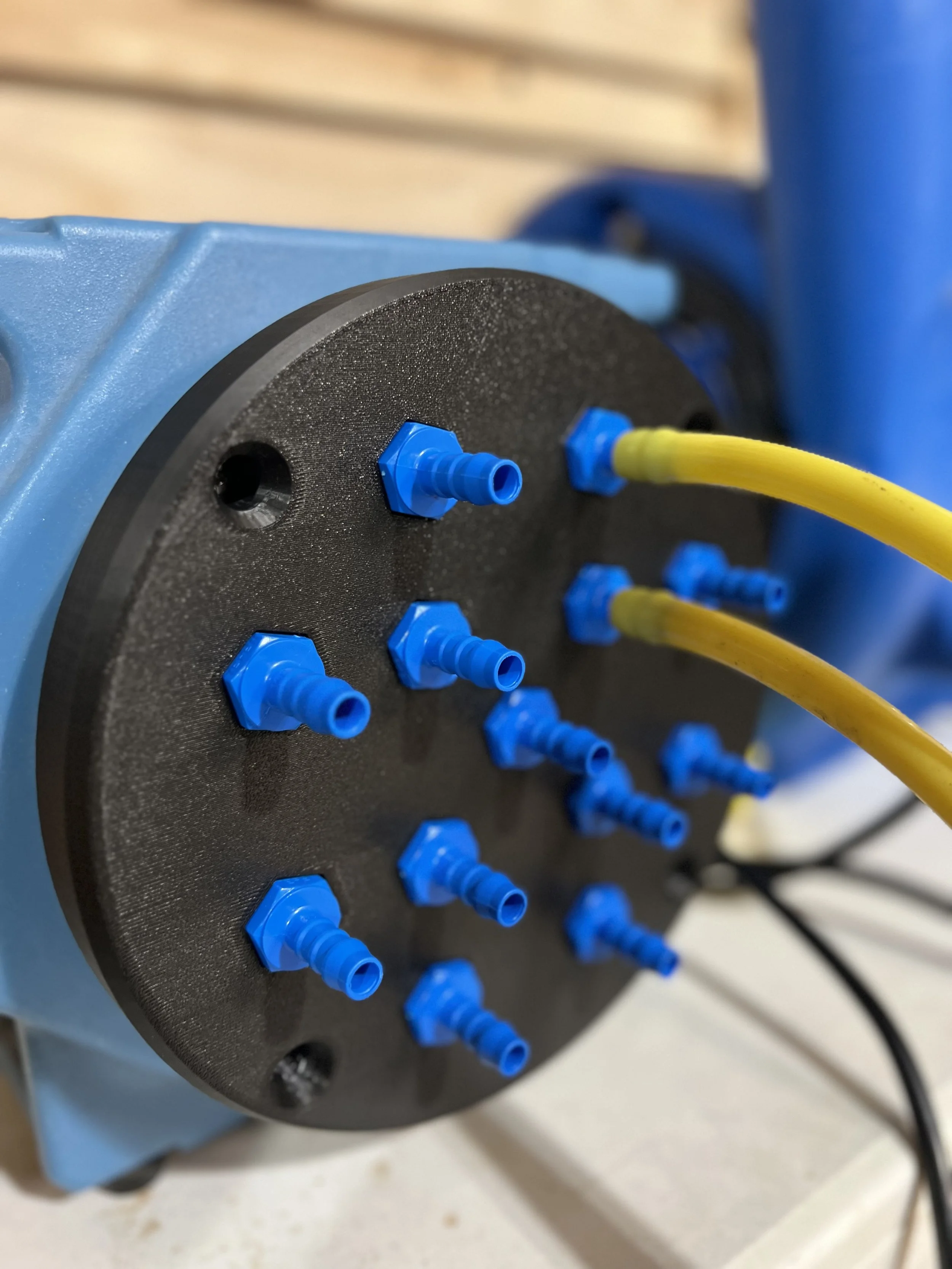
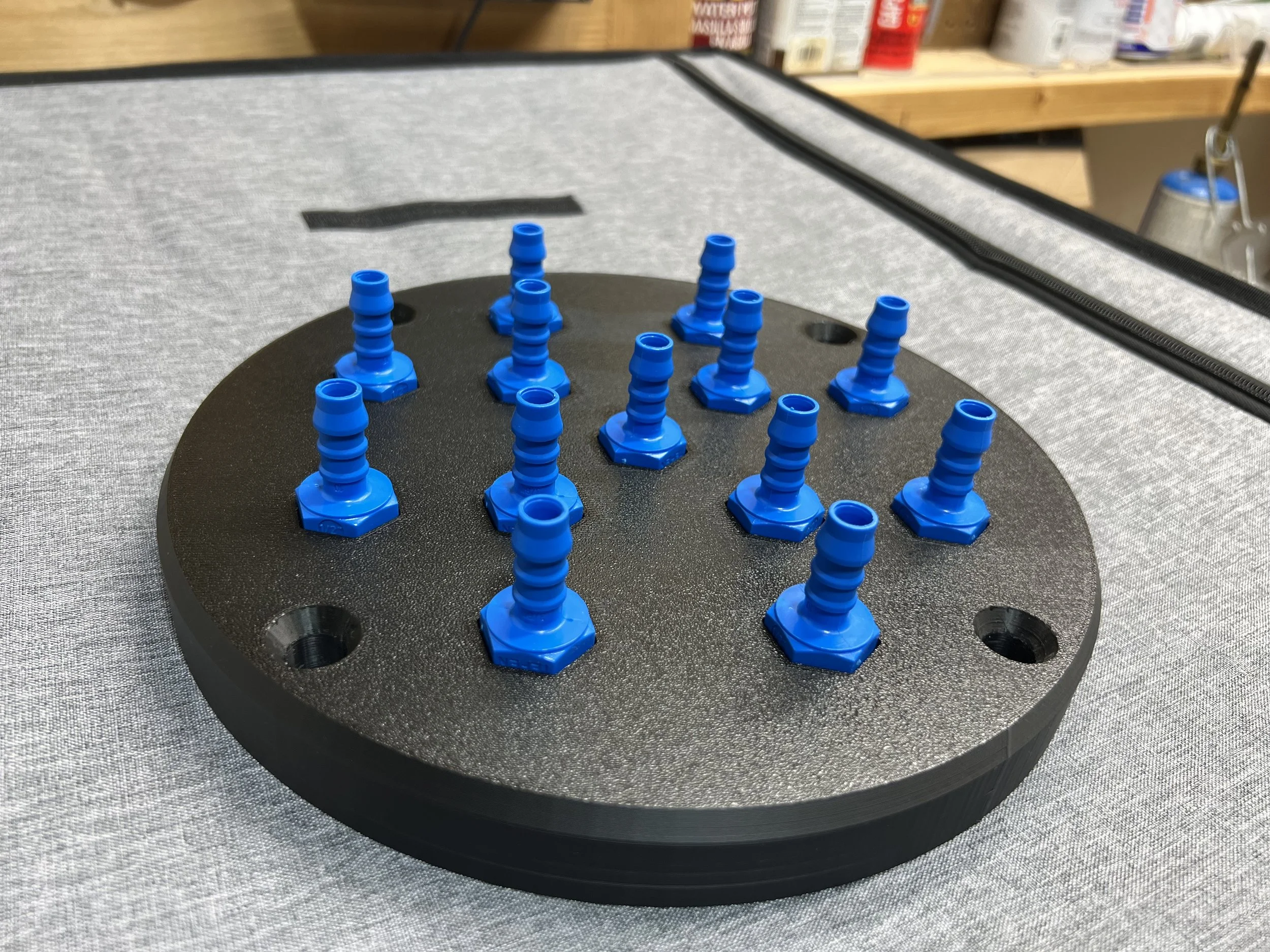
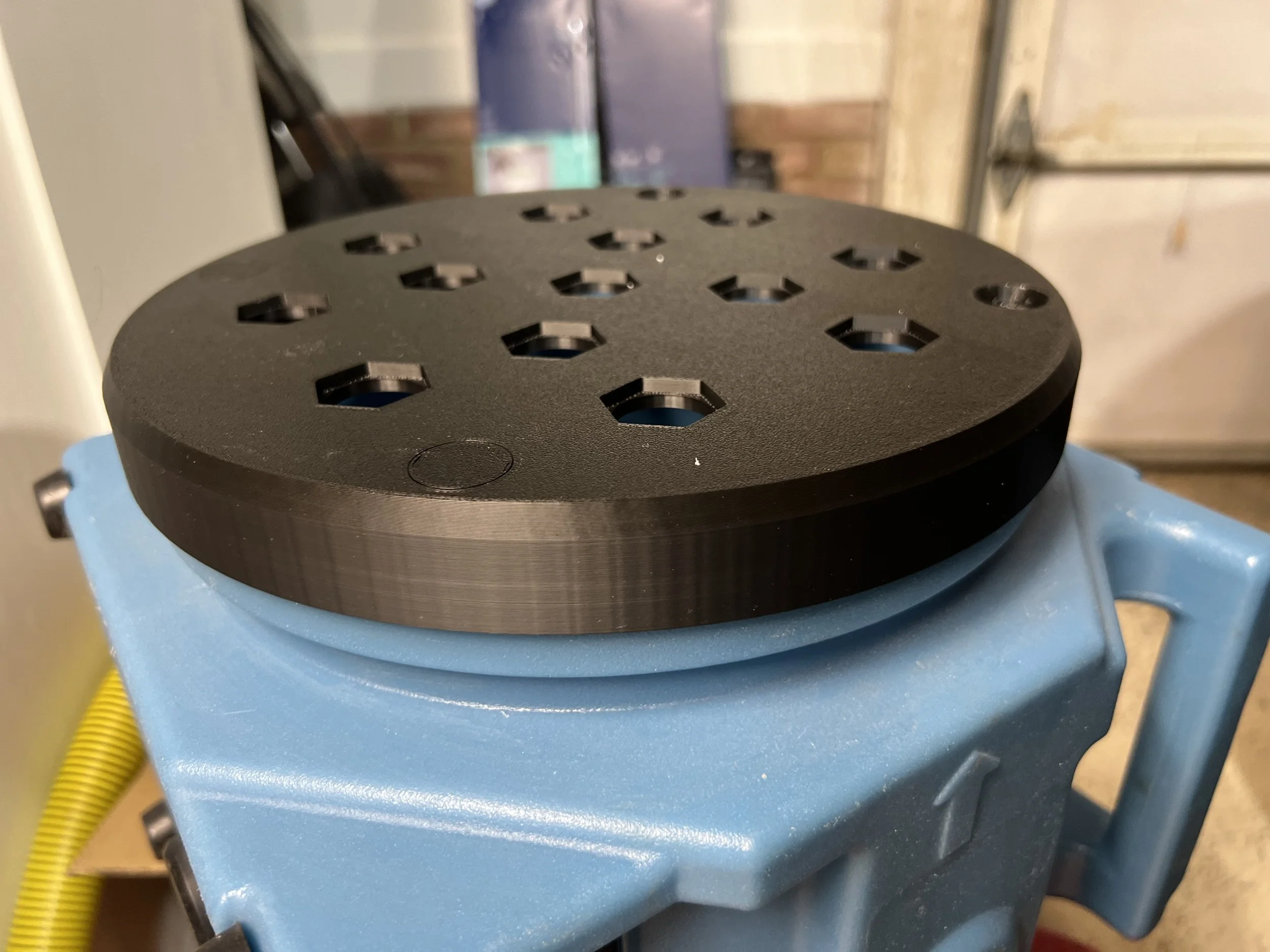
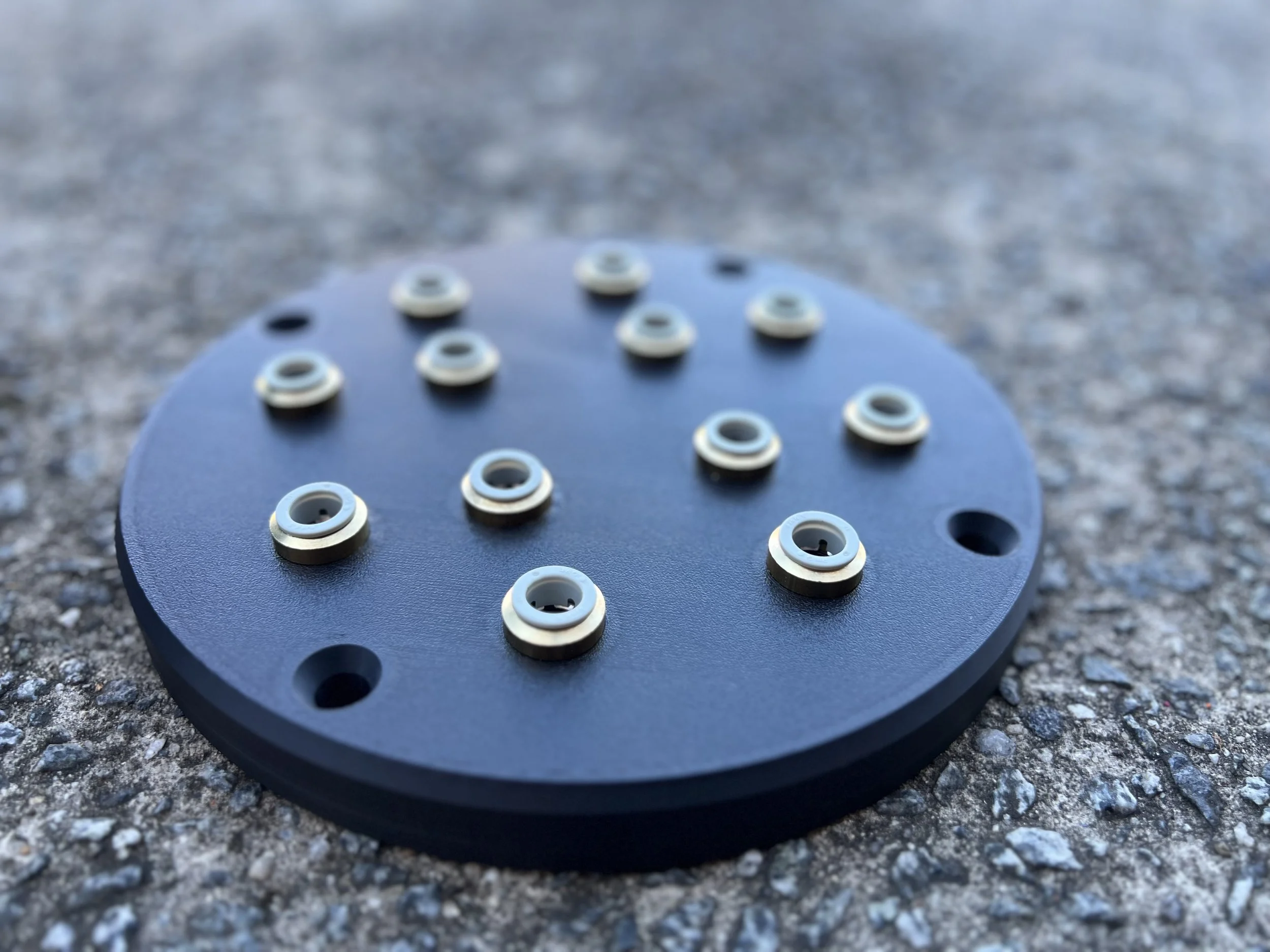
The solution was to design and 3D print a custom air manifold. This device attaches directly to their industrial high-speed blowers and splits the massive air output into several smaller, high-velocity streams.
How It Works:
Precision Entry: Technicians drill small holes at the base of the wall (often hidden behind baseboards).
The Manifold: The 3D-printed manifold attaches onto the blower, distributing air into flexible, medical-grade tubing.
Internal Drying: The tubes are inserted into the wall cavities, pumping air directly to the source of the moisture.
Structural Integrity: By drying the wall from the inside out, the structural drywall remains intact, saving thousands in repair costs.